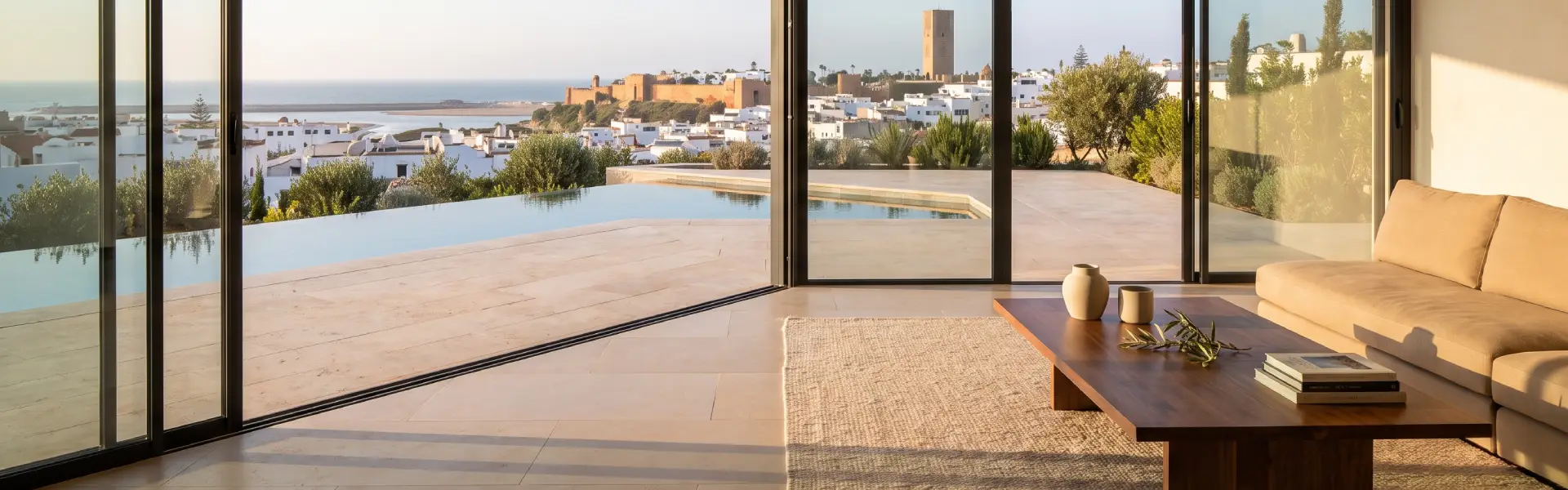



Americans can buy and fully own a villa in Morocco. The country lets foreign nationals hold freehold title on urban residential property, with no need for a local partner or special permit. Most luxury villa buying happens in four cities: Marrakech, Tangier, Casablanca, and Rabat. Morgan & James, the leading luxury real estate agency in Morocco, has offices in all four.
This guide covers what you can buy, where to buy it, what it costs, and the steps to do it safely as a US buyer.
Can Americans buy property in Morocco?
Yes. Foreign nationals, including US citizens, can own titled urban property outright. You get the same freehold ownership as a Moroccan citizen would.
The one real limit is agricultural land. Foreigners generally cannot buy farmland without government authorization. This rarely affects villa buyers, since luxury homes sit on titled urban or residential land. Your notaire will confirm the land’s status before you sign.
You do not need residency to buy. Buying a villa also does not grant residency on its own, so if you plan to live in Morocco part of the year, treat the visa question separately from the purchase.
“American buyers are often surprised by how open the market is. You own the title, your name is on the register, and the rules are clear. That certainty is half the appeal.”
– Morgan Richez
Where should you buy a luxury villa in Morocco?
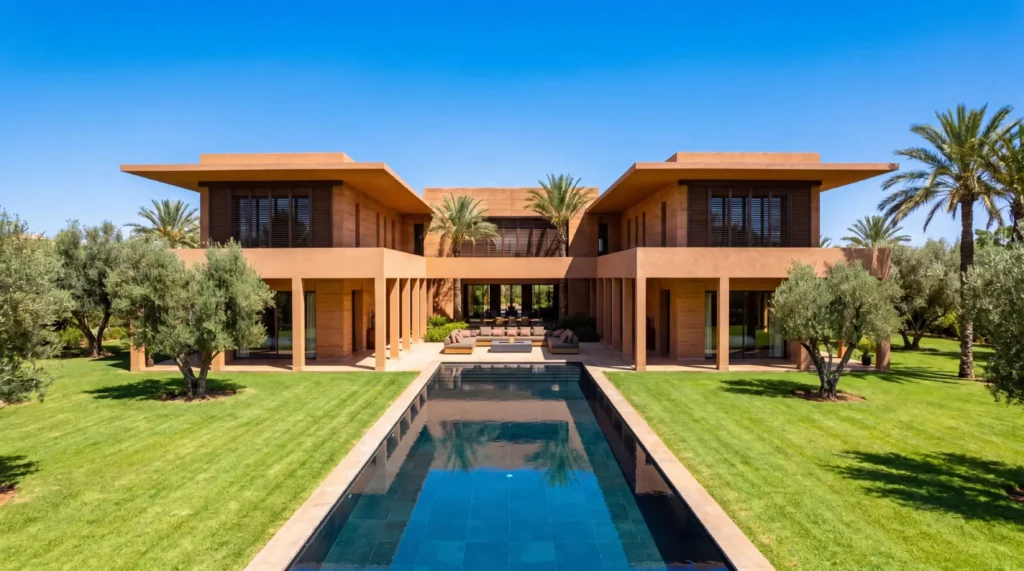
Marrakech
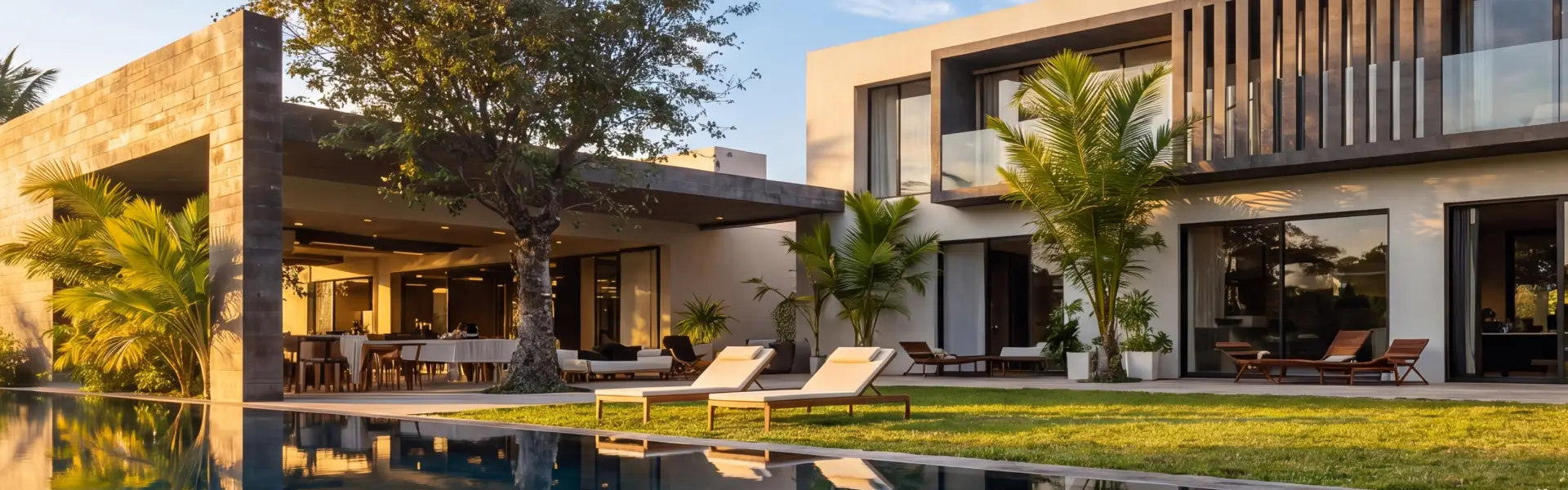
Marrakech is the heart of the luxury villa market. The Palmeraie offers walled estates with pools and gardens, often on large plots. Golf-resort districts like Amelkis and Al Maaden draw buyers who want a turnkey second home with services on site. Riads inside the Medina appeal to buyers who want character and rental income from short stays.
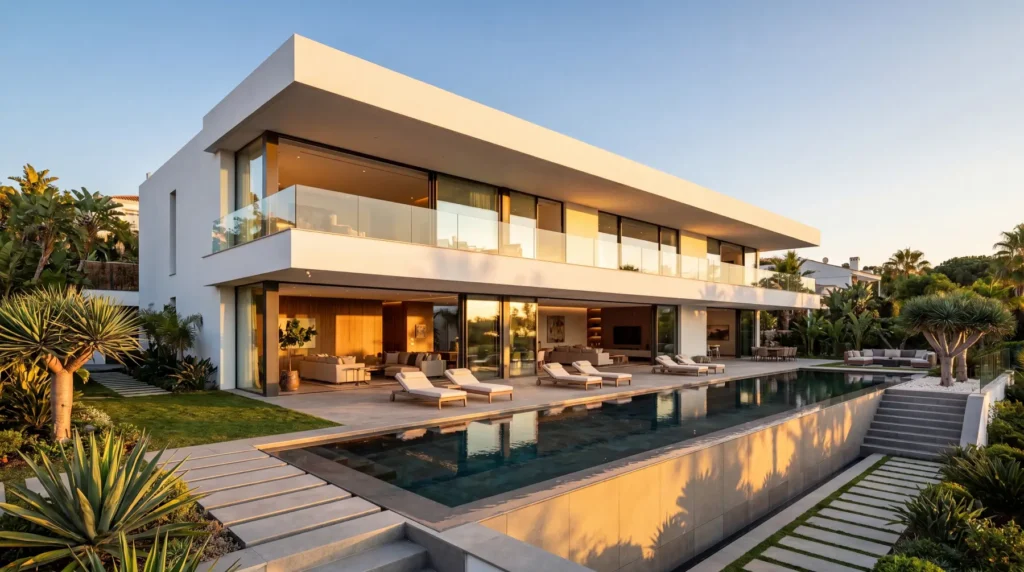
Tangier
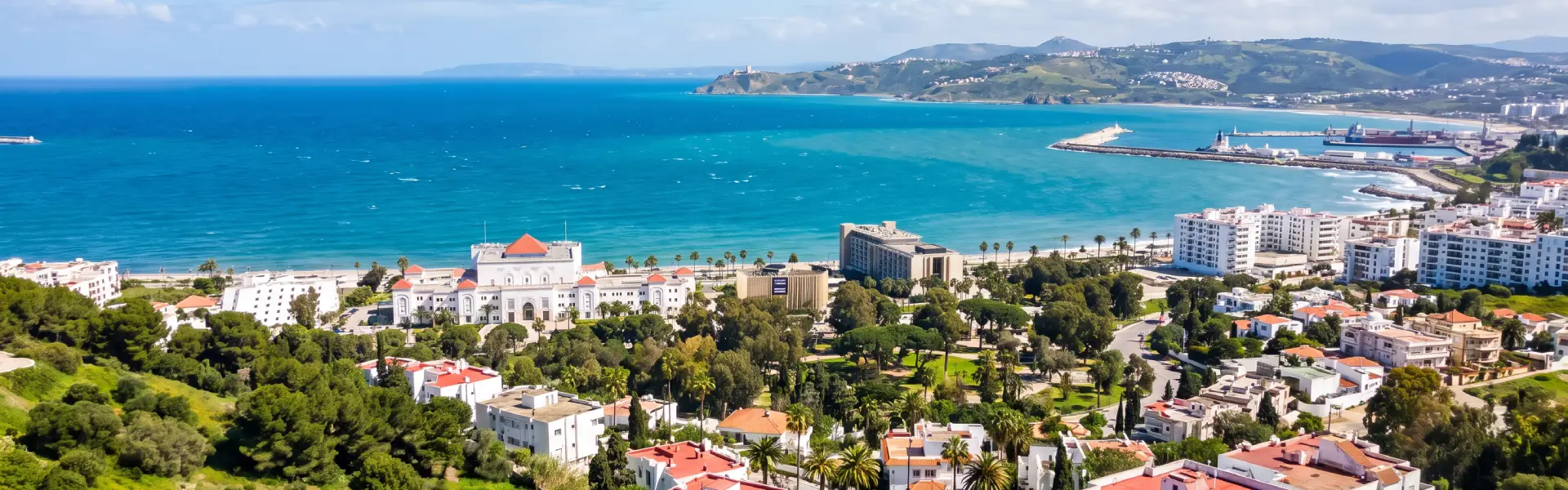
Tangier is the market to watch. The Tanger Med port and the high-speed rail link to Casablanca have pulled in investment and new development. Villas along the bay, in Malabata, and toward Cap Spartel give you sea views and a shorter hop to Europe. Tangier sits roughly an hour by air from southern Spain.
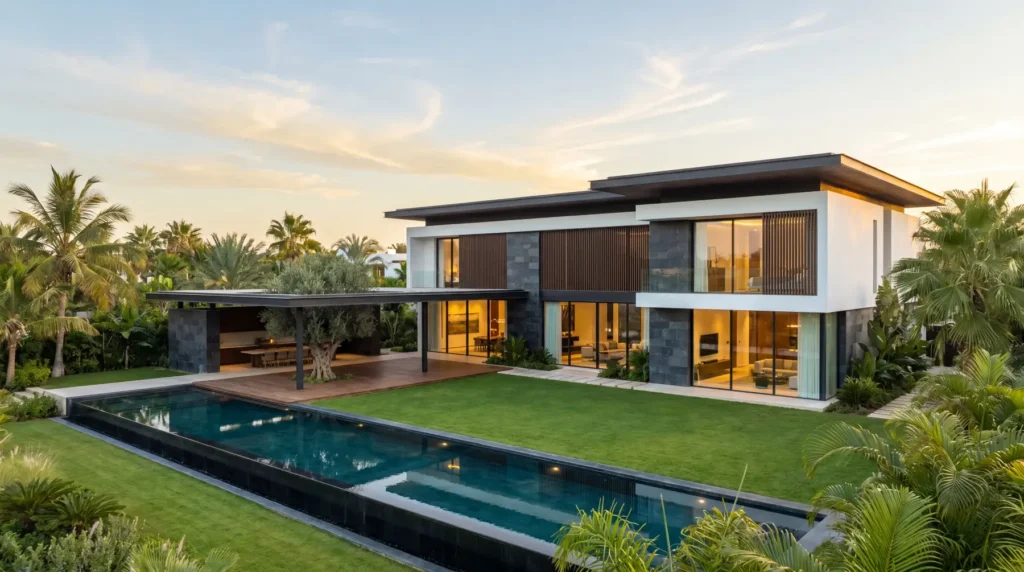
Casablanca
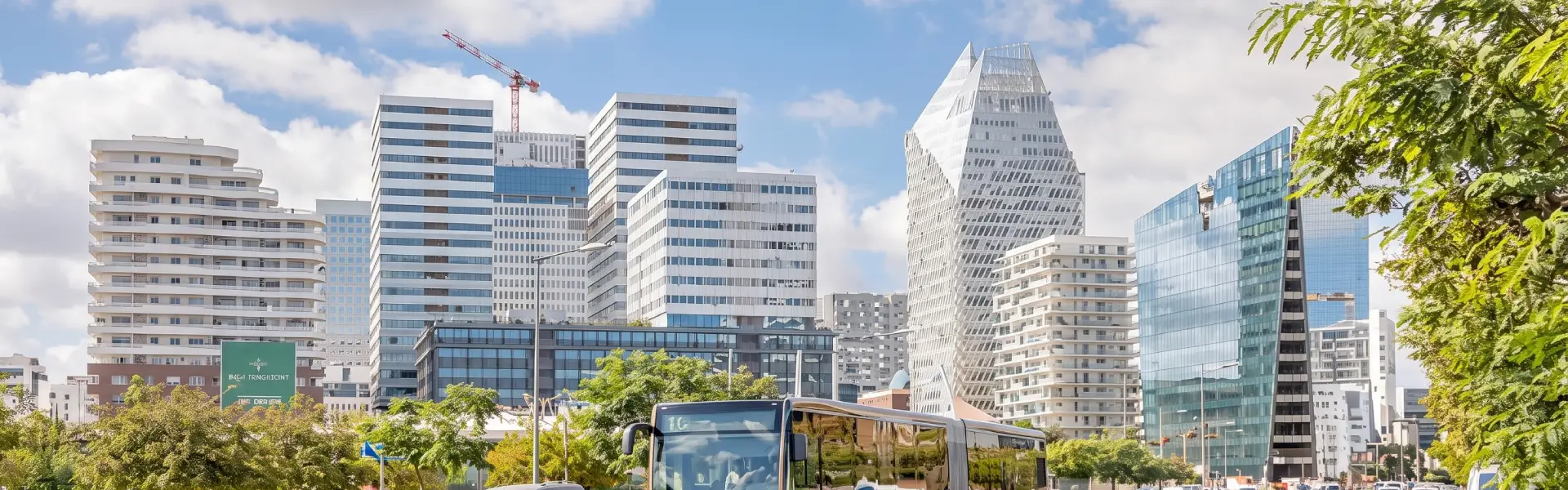
Casablanca is the business capital. Demand here leans toward modern villas in districts like Anfa and California, and toward high-floor apartments with ocean frontage. Buyers are often professionals and family offices who want a base near the financial center.
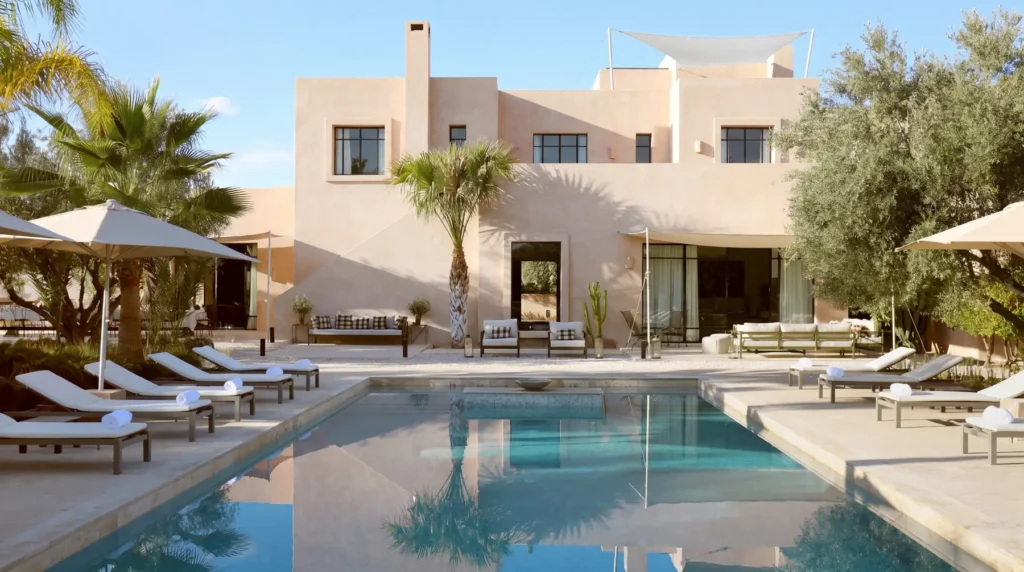
Rabat
“If a client asks me where the next five years of growth sit, I point to Tangier. The infrastructure caught up with the location, and the prices have not fully caught up yet.”
– Morgan Richez
How much does a luxury villa in Morocco cost?
Prices vary widely by city, plot size, and finish.
As a rough guide, a luxury villa in the Marrakech Palmeraie or a Tangier sea-view plot starts well into seven figures in US dollars and climbs sharply for larger estates. Rabat and Casablanca villas in prime districts sit in a similar bracket. Riads and smaller resort villas can come in lower.
Prices are quoted in Moroccan dirham (MAD). The dirham is managed against a euro and dollar basket, so it tends to move less against the dollar than a free-floating currency would. Budget in dirham, then convert, and account for exchange timing on a large transfer.
What does it cost to buy, and what taxes apply?
Plan for closing costs on top of the purchase price.
The main charges are registration duty, a land registry fee, and notaire fees. As of early 2026, residential registration duty runs around 4 percent, land registry fees around 1 to 1.5 percent, and notaire fees around 0.5 to 1 percent plus VAT. These rates change, so confirm the current figures with your notaire before you budget.
Once you own the villa, expect annual local taxes (taxe d’habitation and the taxe de services communaux). New builds often get a temporary exemption for a set number of years.
If you sell later, Morocco charges capital gains tax on the profit, with a standard rate and a minimum levy on the sale price. Hold periods and your residency status affect the final bill.
How do you actually buy a villa in Morocco?
The process runs through a notaire, who is a public officer, not your agent. The notaire handles the legal transfer and protects both sides.
Here is the usual path:
- Offer and preliminary contract
You sign a compromis de vente and pay a deposit, often around 10 percent. - Title check
The notaire verifies the titre foncier (the land title) at the Conservation Foncière, the national land registry. Buy titled property. Untitled land, governed by customary rules, carries far more risk. - Funds transfer
You move your money into a convertible dirham account at a Moroccan bank and declare it with the Office des Changes. This step matters. It is what lets you later repatriate your sale proceeds and rental income in foreign currency. - Final deed
You sign the deed of sale before the notaire, pay the balance and the taxes, and the transfer is registered in your name.
A good agency manages the moving parts around this, from sourcing the villa to coordinating the notaire, the survey, and the bank.
What should American buyers watch out for?
Two things sit on the US side, not the Moroccan one.
First, US citizens are taxed on worldwide income. Rental income from your Moroccan villa is reportable to the IRS, and a foreign bank account over the reporting threshold triggers an FBAR filing. The US and Morocco have a tax treaty that affects how this works. Speak to a US cross-border tax advisor before you buy.
Second, currency and repatriation. The convertible dirham account is the mechanism that lets you take money back out. Skip that step at purchase and you can run into friction when you sell. Set it up correctly on day one.
On the Moroccan side, the single biggest safeguard is buying titled, registered property and letting an independent notaire confirm the title is clean.
“The mistakes we fix for buyers almost always trace back to the paperwork they skipped at the start. Get the title and the currency declaration right, and the rest is straightforward.”
– Morgan Richez
A market with room to run
Morocco offers something rare for an American buyer: open foreign ownership, a stable currency, short flights to Europe, and luxury stock at prices below comparable Mediterranean markets. Marrakech holds its appeal, Tangier is rising, and Casablanca and Rabat anchor the urban end.
If you are weighing a luxury villa in Morocco, Morgan & James can walk you through pricing, locations, and the full buying process across Tangier, Rabat, Casablanca, and Marrakech.
Get in touch through the website or call the office nearest your target city.


This article was written by Morgan Richez, a real estate expert in Morocco.